A wash water recycling system is equipment that collects used wash water, removes contaminants, and prepares that water for reuse. Instead of sending all wastewater straight to the drain, your operation captures it, treats it, and sends it back into the wash process.
In simple terms, water that once became waste can become a usable resource again. The system helps remove dirt, solids, oils, sand, debris, and other contaminants from used water. Then the treated water can support another wash or cleaning cycle.
These systems are common in operations that use a large amount of water every day. This includes vehicle washing, manufacturing, fleet washing, golf course maintenance, and commercial facilities. When water use stays high, the cost of freshwater and sewer discharge can also rise.
A wash water recycling system helps you reduce water waste, lower sewer discharge, and improve daily efficiency. It also helps you prepare for stricter environmental expectations without adding unnecessary complexity to your operation.
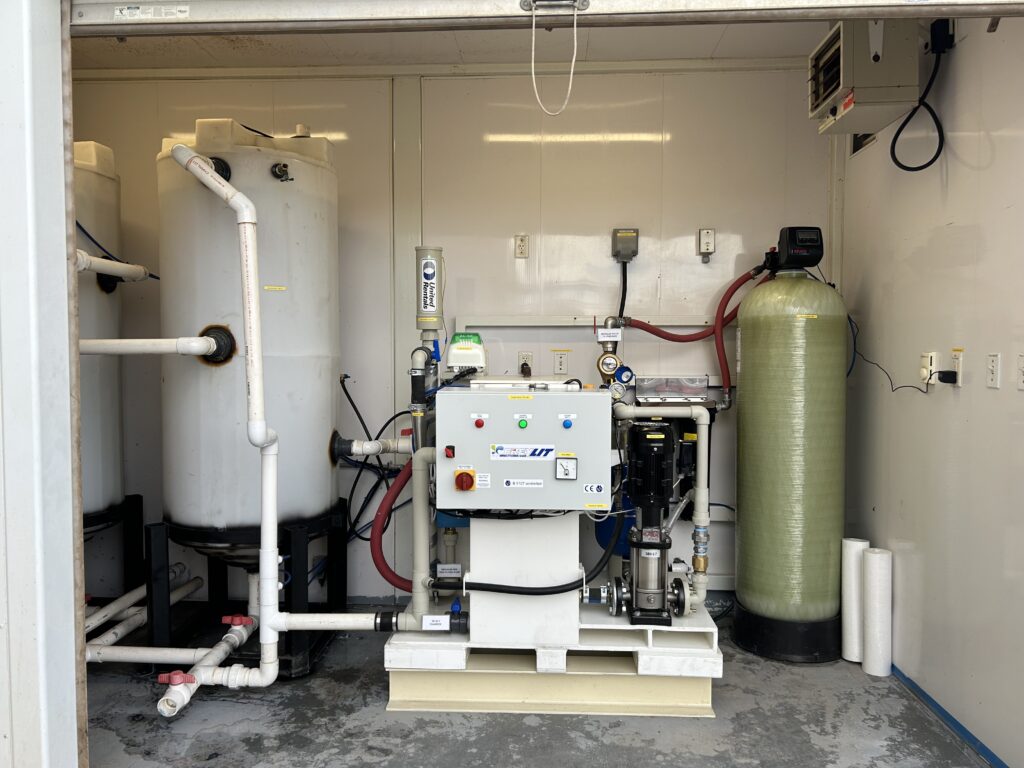
What Are the Uses of a Water Recycling System?
Water recycling systems are used in facilities that need large volumes of water for washing, rinsing, or cleaning. These systems are especially useful when the same type of cleaning process happens throughout the day. Instead of treating water as a one-time resource, your facility can capture and reuse it.
Vehicle washing is one of the most common uses. Car washes, truck washes, bus wash facilities, and fleet yards all need water to remove dirt, road grime, sand, and debris. A recycling system captures that wash water before it leaves the site. Then it treats the water so it can return to the wash process.
Industrial facilities also use these systems during equipment cleaning and production-related washing. Heavy equipment, machinery, tools, and work areas can create wastewater that contains dirt, oils, and suspended solids. Recycling helps reduce the amount of water sent to the sewer.
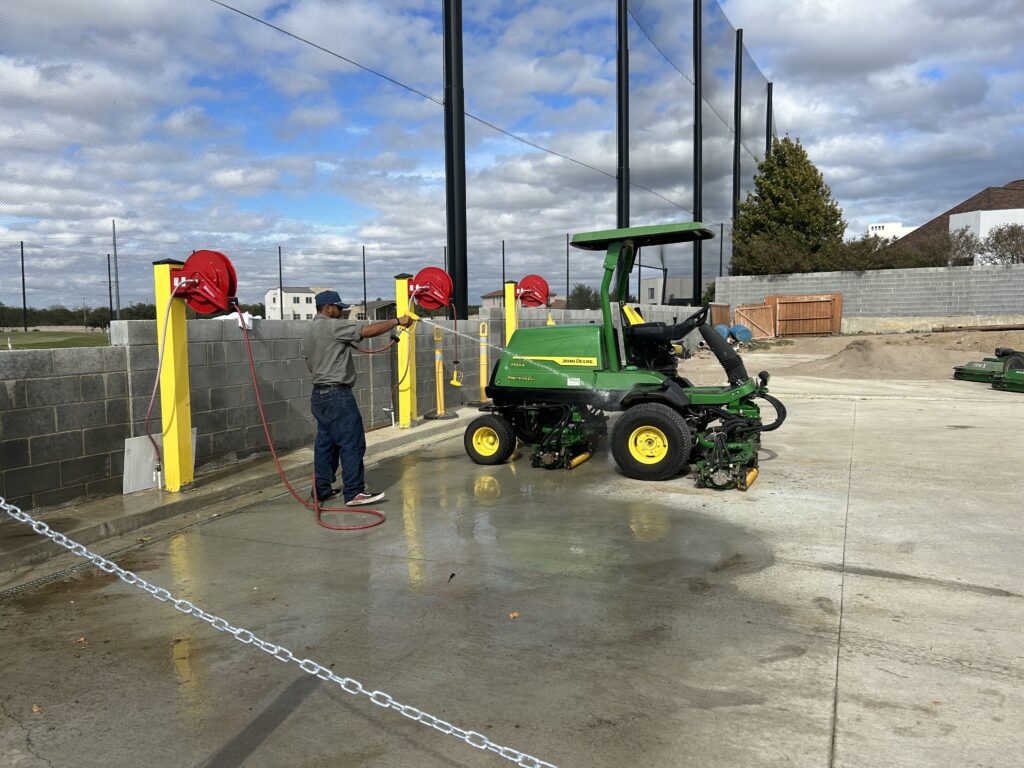
Golf courses and large outdoor facilities use water recycling to support conservation efforts. These sites often wash maintenance equipment and manage large landscapes. In areas where water access is limited, recycling can help protect resources while supporting daily work.
Beyond water savings, these systems help you manage wastewater in a more controlled way. They support cleaner operations, reduce waste, and help your facility use water more responsibly.
What Businesses Can Benefit from a Water Recycling System?
Any business that uses wash water every day may benefit from a water recycling system. The strongest fit is usually a facility with high water bills, frequent cleaning cycles, rising sewer costs, or discharge concerns.
The right system depends on your operation. You need to consider how much water you use, what contaminants are present, and how clean the reused water needs to be. A car wash does not have the same water demands as an industrial equipment wash pad. A golf course maintenance area also has different needs than a fleet wash facility.
Here are four industries where water recycling can make a clear difference.
Car Wash Facilities
Car wash facilities use large amounts of water for every vehicle cleaned. A recycling system captures used wash water, removes dirt, sand particles, and debris, and prepares it for reuse in the next cycle.
This helps reduce freshwater consumption. It also lowers the amount of water sent to the sewer. For car wash owners, that can support more predictable operating costs and better long-term water management.
Truck and Fleet Wash Operations
Truck and fleet wash operations often clean vehicles on a regular schedule. Logistics companies, service fleets, and transportation businesses rely on clean vehicles for brand image, safety, and routine upkeep.
A recycling system helps manage the high water demand that comes with frequent washing. It treats contaminated water and returns it to the process. This reduces dependence on municipal water and supports more efficient daily operations.
Industrial and Manufacturing Facilities
Industrial and manufacturing facilities can generate wastewater during cleaning, equipment washing, or production support tasks. This water may contain suspended solids, oils, dirt, and other materials from the work environment.
A water reclamation system helps treat that water before reuse or discharge. This supports better water control, reduces overall water use, and helps facilities manage environmental responsibilities more effectively.
Golf Courses and Large Outdoor Facilities
Golf courses use water for turf care, maintenance work, and equipment cleaning. Large outdoor facilities may face similar needs, especially when crews clean vehicles, mowers, tools, or maintenance areas.
Water recycling helps conserve resources in these settings. It can also support operations in areas affected by drought, water restrictions, or limited water availability. For these facilities, recycling helps protect water without stopping essential maintenance work.
How Does a Water Recycling System Work?
A water recycling system works in stages. Each stage handles a different part of the treatment process. The goal is to move used wash water from collection to separation, then through filtration, storage, and reuse.
This staged process matters because wash water can contain more than one type of contaminant. Heavy solids may settle at the bottom. Oils and lighter contaminants may rise. Smaller particles may stay suspended in the water until filtration removes them.
Stage 1: Used Water Is Collected and Settled
The process starts when used wash water flows into collection tanks. These tanks give heavier solids and debris time to settle. This step is called sedimentation.
During sedimentation, materials like sand, grit, dirt, and larger particles separate from the water. Removing these materials early protects the next stages of the system. It also helps reduce the load on filters and pumps.
At this point, oils and lighter contaminants can also begin to separate. In many systems, an oil water separator helps manage these materials. This is important for wash operations where vehicles, machinery, or equipment may introduce oils into the wastewater.
Stage 2: Oils and Smaller Particles Are Removed
After settling, the water moves through additional treatment and filtration stages. These stages target smaller particles and suspended solids that do not settle on their own.
Filters may remove fine debris, dirt, and other remaining materials. Depending on the needed water quality, the system may use additional filter types. These can include activated carbon or fine micron filters.
This stage helps improve water clarity and prepares it for reuse. It also helps keep the system running with more consistent performance. Cleaner recycled water supports better washing results and reduces problems caused by excess solids in the water.
Stage 3: Treated Water Is Stored and Reused
Once treated, the filtered water moves into storage. From there, pumps send it back into the washing or cleaning process.
In a closed loop system, the water stays within the system and is continuously reprocessed and reused. This helps reduce the need for incoming freshwater. It also limits the amount of wastewater discharged from the facility.
Modern systems operate automatically with minimal maintenance. They can monitor water levels, manage overflow during heavy rainfall when needed, and maintain steady performance during daily operations. This makes water recycling easier to manage for busy commercial and industrial sites.
Find a Wash Water Recycling System Near You
If you want to reduce water use and manage wash water more efficiently, choosing the right system matters. You need equipment that fits your site, your wash process, and your water treatment goals.
Experience, reliability, and proven performance should guide your decision. A dependable system should handle your daily water volume, remove the right contaminants, and keep your operation running smoothly.
Freylit USA has provided water recycling solutions internationally for more than 40 years, with over 10,000 installations worldwide. Our wash water recycling systems are designed for durability, automatic operation, and minimal maintenance.
Freylit systems avoid corrosive ozone, chlorine, and harsh chemicals while delivering consistent results. This helps you manage wash water with practical technology built for demanding environments.
Whether you operate a car wash, fleet facility, industrial site, or commercial washing area, Freylit USA can help you plan a better way to control polluted water. We offer dependable systems designed to support cleaner operations, reduced water waste, and long-term value.
If you are searching for a trusted wash water recycling system near you, contact Freylit USA. We can help you understand your options and choose a system that supports your business now and into the future.