Whether you operate a truck wash, equipment rental yard, service center, or golf course, keeping operations smooth and sustainable supports long-term success. Water is often a major part of these businesses, especially when cleaning vehicles, machinery, equipment, or large surfaces. But what happens to all that used water after every wash?
That is where a wash water recycling system can make a major difference. Many owners already know that recycling systems help conserve water and control costs. What is less obvious is how they can support day-to-day operations. The right system can help reduce interruptions, improve control over wastewater, and make washing easier to manage.
If your facility handles frequent washing, such as roll-over or tunnel washes, self-serve bays, truck or bus cleaning, agricultural or military applications, or parts washing stations, reliable water management matters. A closed-loop system can support steady operations by capturing, treating, and reusing water on site. Here are three operational advantages that go beyond simple water savings.
1) A Wash Water Recycling System Reduces Downtime and Maintenance Interruptions
Pausing your operations because of clogged drains, excess solids, or flooded wash areas can create delays that affect the entire workday. Businesses that handle heavy cleaning, such as truck depots, agricultural yards, equipment rental centers, and maintenance facilities, often deal with water containing dirt, oil, sand, grit, and other debris.
When those materials are not properly managed, they can collect in drains, pits, or holding areas. Over time, buildup can make water harder to move through the facility. Staff may need to stop washing, clear blockages, pump out accumulated material, or manage unexpected overflow.
A wash water recycling system helps improve this process by collecting and treating used water before it returns to the wash cycle. Rather than treating every gallon as wastewater that must immediately leave the facility, the system separates contaminants and prepares suitable water for reuse.
This creates a more controlled flow through the washing area. Solids are handled as part of the treatment process instead of being allowed to build up throughout the facility.
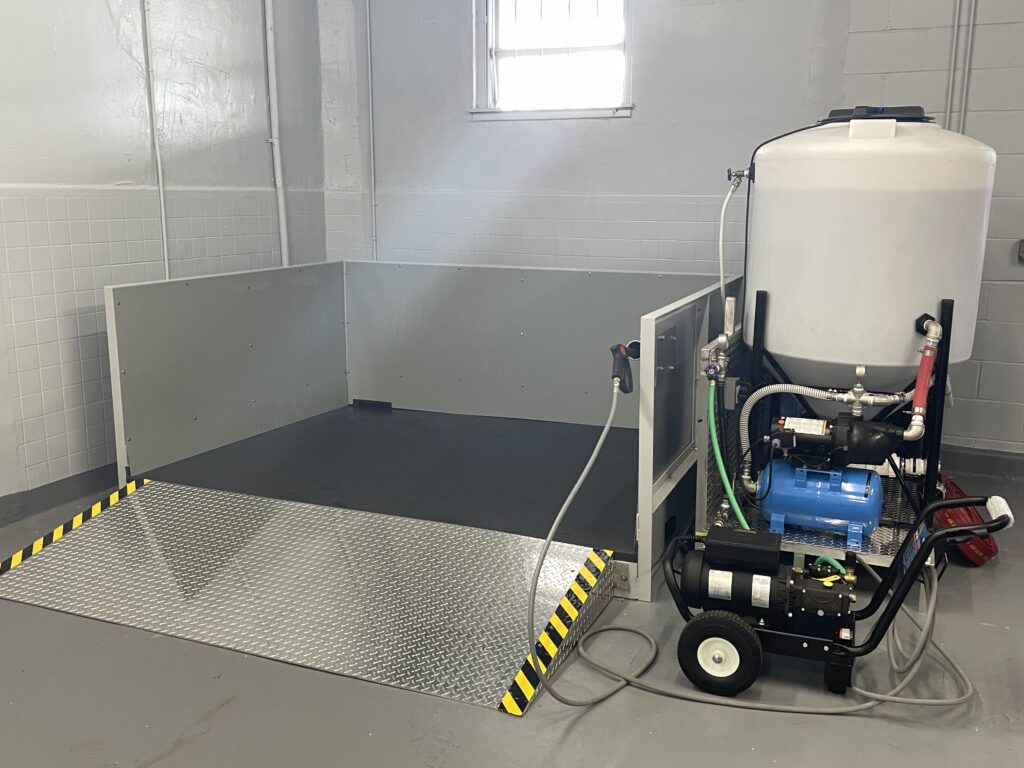
For high-use wash operations, that consistency can make daily work easier to manage. Staff know where wash water is going, how it is being processed, and how it returns to the system. A predictable process helps reduce disruptions and gives your team more control over the wash area.
Maintenance also matters. A water recycling system should not create more work than it saves. Equipment that requires frequent manual attention can quickly become another operational burden.
Freylit USA systems are designed with practical maintenance in mind. Features such as automatic self-cleaning filtration help reduce the amount of hands-on servicing required during normal operation. Your team can focus on washing vehicles or equipment instead of constantly managing the treatment process.
Over time, better control of dirt, solids, and wastewater can also support surrounding wash equipment. Cleaner operating areas and more consistent water management may help reduce unnecessary wear caused by unmanaged sediment and debris.
The result is not simply water reuse. It is a more organized washing process with fewer preventable interruptions.
2) A Wash Water Recycling Solution Cuts Operating Costs and Conserves Resources
Water and wastewater management can represent a meaningful portion of operating expenses, especially for facilities that wash frequently. Whether you run a tunnel wash, fleet depot, construction equipment yard, or self-serve wash pad, the amount of water moving through your facility adds up.
Fresh water is only one part of the cost.
Depending on your location and facility setup, you may also pay sewer charges, wastewater handling expenses, pumping costs, or fees related to off-site disposal. The more water you bring into the facility and send away after one use, the more these expenses can affect your operating budget.
A water recycling system changes that cycle.
Instead of continually relying on fresh water for every wash, the system captures used wash water, treats it, and returns suitable water for reuse. This lowers your dependence on incoming water and reduces the amount of wastewater that must leave the site.
The actual reduction depends on your operation, system configuration, wash volume, and water quality requirements. However, the basic financial advantage remains the same. Reusing water helps you get more value from the water already entering your facility.
Closed-loop systems can offer another advantage for facilities with limited access to municipal sewer infrastructure.
Some businesses operate in industrial yards, remote locations, temporary work areas, or sites where sewer connections are difficult or expensive. In these settings, wastewater handling can become a major part of facility planning.
A closed-loop system keeps more water within the wash process. That can reduce dependence on outside disposal systems and give operators more flexibility when planning where and how washing takes place.
Resource conservation also supports better long-term planning.
Utility rates can change. Water restrictions can affect certain regions. Wash volume can also increase as your business grows. If your operation already uses large amounts of fresh water, every increase in activity can place more pressure on supply and wastewater costs.
Recycling gives you another way to manage that growth. Rather than allowing water demand to rise at the same rate as wash volume, you can reuse suitable water and reduce the amount of new water needed.
This helps you control costs while making more efficient use of an essential resource.

3) A Water Recycling System Promotes Safe, Sustainable, and Compliant Operations
Efficient washing is not only about speed and cost. You also need to understand where polluted wash water goes after it leaves a vehicle, machine, or piece of equipment.
Wash water can carry soil, oils, grease, sand, detergents, and other contaminants. Allowing that water to flow uncontrolled across the ground or into inappropriate drainage areas can create environmental and operational problems.
A closed-loop recycling system gives you a more controlled way to manage that water.
Instead of allowing runoff to leave the wash area untreated, the system captures it and sends it through a treatment process. Solids and contaminants are separated before suitable water returns to the washing cycle.
This approach can support cleaner operations while reducing unnecessary discharge.
Freylit USA systems are designed to treat wash water without depending on ozone, chlorine, or enzymes. The treatment process focuses on reliable separation and water management while keeping routine operation straightforward.
That can be especially useful in facilities where staff already manage demanding workloads. The water treatment process should support operations without becoming difficult to understand or maintain.
Compliance is another important consideration.
Requirements for wash water collection, discharge, and wastewater handling vary by location. A recycling system does not automatically guarantee compliance with every local rule, but it can help you build a more controlled water management process.
That makes it easier to understand what happens to your wastewater and where contaminants are being handled.
Facilities such as bus depots, military sites, agricultural operations, maintenance yards, and commercial washing centers often need to document how they manage wastewater. A dedicated system can support that effort by keeping wash water within a defined treatment process rather than allowing uncontrolled discharge.
Environmental responsibility also carries practical business value.
Customers, property owners, municipalities, and commercial partners increasingly pay attention to how facilities use water and manage waste. A visible, well-planned recycling system shows that your operation takes resource management seriously.
It can also help keep the wash area cleaner. When dirt and solids are captured as part of the treatment process, they are less likely to spread throughout surrounding work areas.
That creates a more professional environment for your team, customers, and visitors.
Best Water Recycling System by Freylit USA
Whether you clean vehicles, machinery, or equipment, a reliable water recycling setup can make your operation easier to manage. The benefits extend beyond reducing freshwater use. Better wastewater control can help reduce interruptions, support cleaner work areas, manage operating expenses, and improve how your facility handles changing wash demands.
Before choosing a system, look closely at your operation. Consider how often you wash, what contaminants enter the water, how much space you have, where wastewater currently goes, and how much water you want to reuse. These details help determine which system configuration makes the most sense for your facility.
Freylit USA has decades of experience developing and supplying Wash Water Recycling Systems for demanding commercial applications. Our systems are designed around practical operation, durable equipment, and efficient water reuse. If you want to improve water management, reduce unnecessary waste, and create a more controlled washing process, we can help you plan a system that fits the way your facility actually operates.