Are you wondering if you need a car wash pad in addition to a wash water recycling unit? You might be unsure because the setup sounds technical or because you want to avoid investing in equipment you do not fully understand. At the same time, you need to control wastewater, protect your property, and keep daily operations running smoothly.
These concerns are common among operators who manage busy, water-intensive worksites. A wash pad and a recycling system solve different parts of the same problem. The pad gives you a dedicated place to wash vehicles or equipment. The recycling system handles the water collected from that area and prepares it for reuse.
Used together, they create a more complete wash setup. You can control runoff, reduce fresh water use, organize your wash area, and make wastewater easier to manage.
The combination is useful for many operations, including fleet facilities, rental yards, service centers, transportation sites, and equipment maintenance facilities. If you are evaluating your options, understanding how equipment wash pads work with a recycling system can help you decide whether the combination makes sense for your site.
The recycling side is just as important. A properly planned car wash water recycling system allows captured wash water to be treated and reused instead of relying entirely on fresh water for every wash.
Together, the two systems support a more controlled and efficient process. Here are five practical benefits of pairing them.
1. Better Control of Wastewater
A car wash pad gives you much better control over what happens to dirty water after washing.
Many sites deal with runoff that can carry oil, grease, dirt, mud, sand, and other material removed from vehicles or equipment. If that water flows across the property without proper collection, it can reach soil, drains, or other areas where it does not belong.
A dedicated wash pad helps keep the process contained.
Instead of washing in random locations, your team uses one defined area. The pad collects the water and directs it toward the treatment system. This makes it easier to understand where wastewater goes and how it is handled.
When the pad works with a wash water recycling system, you gain even more control. The system receives the collected water, treats it, and returns suitable water for reuse in future cleaning.
The two components work together. The pad manages collection, while the recycling system manages treatment and reuse.
That creates a more organized setup than relying on drainage alone.
Your staff benefits too. They know where washing should take place and how water moves through the system. This reduces confusion and helps keep the wash area consistent from one shift to the next.
Better wastewater control also makes it easier to identify problems. If debris, sediment, or other contaminants begin building up, your team can address them within a defined system instead of searching across the property.
The result is a wash process that is easier to manage and easier to maintain.
2. Reduced Water Use and Higher Savings
Water is an ongoing operating expense, especially for facilities that wash vehicles or equipment every day.
When you use fresh water for every cleaning cycle and discharge it after one use, the cost can rise quickly. The impact becomes even greater at high-volume sites where dozens or hundreds of washes may take place each week.
A wash pad and recycling setup help change that cycle.
The pad collects used wash water instead of allowing it to run away. The recycling equipment then treats that water so it can be reused for suitable cleaning applications.
This reduces the amount of fresh water you need to bring into the facility.
The financial benefit does not come from water supply alone. Depending on your location and setup, wastewater discharge or disposal may also add to operating costs.
If you keep more water within a recycling loop, less water needs to leave the site after every wash.
That can help reduce both supply and wastewater-related expenses over time.
The exact savings depend on your wash volume, local utility rates, system design, and how much water can be reused. That is why it is important to evaluate your own operation rather than rely on a generic estimate.

High-volume facilities often have the greatest opportunity because they repeat the same washing process throughout the day.
Truck fleets, bus operations, equipment rental yards, and service facilities may clean large numbers of vehicles or machines on a regular schedule. In those environments, every gallon reused reduces the amount of fresh water required for the next wash.
A controlled loop can also give you more flexibility when local supply conditions change.
You still need fresh water for certain applications, but a recycling system reduces your dependence on it for routine washing. That helps you make better use of the water already available on site.
3. Environmental Compliance Made Easy
Many industries have rules governing how wash water is collected, handled, and discharged.
A dedicated wash pad makes that process easier to control because it creates a defined collection area. Instead of allowing runoff to move across the property, the pad directs water toward the treatment system.
This helps keep dirt, oils, grease, and other contaminants from spreading beyond the wash area.
The recycling system then treats the collected water before it is reused.
Used together, the two systems create a more structured approach to wastewater management.
That does not mean the equipment automatically guarantees compliance with every local requirement. Regulations vary by location, industry, and facility type.
However, having a controlled wash area and a defined treatment process can make it easier to manage wastewater according to the requirements that apply to your site.
It also makes your operation more transparent.
You can identify where washing takes place, how runoff is collected, and how the water moves through treatment. That is much easier to manage than allowing wastewater to flow across several uncontrolled areas.
Responsible wastewater management can also support your company’s environmental goals.
Customers, property owners, contractors, and business partners may want to know how you manage water and waste. A dedicated wash setup shows that you have taken practical steps to reduce uncontrolled runoff and make better use of water.
The real advantage is control.
Instead of reacting to wastewater problems after they happen, you build water management into the normal washing process from the beginning.
4. Improved Daily Operations
A car wash pad creates a clear and stable area for washing vehicles or equipment.
That may sound simple, but it can make a noticeable difference in how your team works.
Without a dedicated area, employees may wash in whichever location is convenient at the time. That can lead to inconsistent drainage, messy work areas, and unnecessary movement around the site.
A defined wash pad gives everyone one place to complete the task.
Vehicles enter the wash area, cleaning takes place, and wastewater moves through the collection system. Staff do not need to decide where washing should happen each time.
This creates a more predictable workflow.
Portable wash pads can add another level of flexibility. Depending on the site and equipment, they may be moved or configured to better fit changing operational needs.
Wash pads can also be sized for different vehicles and equipment.
A facility washing passenger vehicles has different needs from one handling buses, trucks, or heavy machinery. The size, weight capacity, access points, ramps, and splash control can all influence the design.
When the pad is paired with water recycling equipment, the process becomes even more organized.
The wash area handles collection, while the recycling system handles treatment. Your team follows the same routine each time instead of improvising how wastewater should be managed.
This can also help keep surrounding areas cleaner.
Mud, dirt, and debris stay concentrated around the designated wash area rather than spreading across parking lots, service yards, or work zones.
A cleaner, more structured wash area supports smoother day-to-day operations and makes routine maintenance easier.
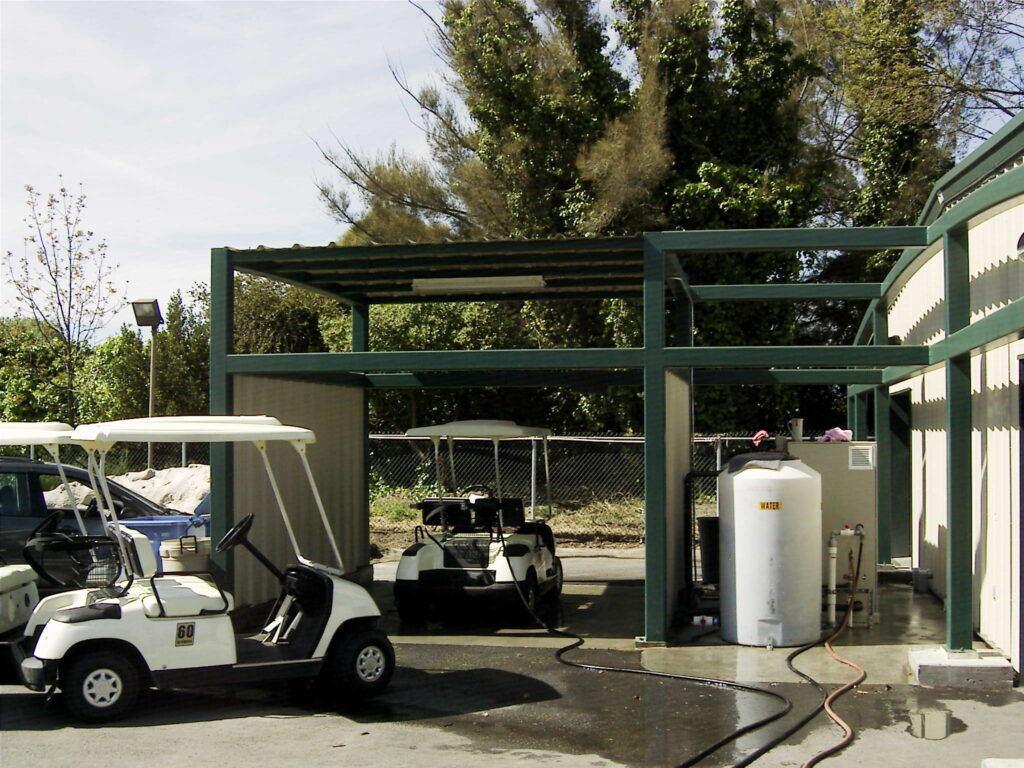
5. Flexibility for Many Industries
A car wash pad may sound like equipment designed only for passenger vehicle washing, but the basic concept applies to many industries.
Any operation that regularly cleans vehicles, machinery, or equipment can benefit from a controlled washing area.
Fleet operators may need to clean delivery trucks or service vehicles. Transportation facilities may wash buses. Rental yards may clean machinery between customers. Maintenance operations may need to wash dirt and debris from heavy equipment before inspection or repair.
Each of these businesses faces the same basic challenge.
Water must be used for cleaning, and that water needs somewhere to go afterward.
A wash pad gives you a dedicated place to collect it.
The recycling system gives you a way to treat and reuse suitable water.
The setup can also be adapted to the equipment you actually wash.
Different operations need different pad dimensions, weight capacities, ramps, access points, or splash walls. A heavy equipment facility will not need the same design as a small vehicle fleet.
This flexibility is important because wash systems should support your workflow rather than force your operation into a standard layout.
It also makes the combination useful for sites where needs may change over time.
You may add larger vehicles, increase wash frequency, or reorganize part of the facility. A properly planned wash area gives you more room to adapt than an improvised washing setup.
For businesses that operate in several locations or temporary work areas, portability may also be valuable.
The goal is the same in every case. You want a controlled place to wash and a practical system for handling the water that process creates.
Best Wash Water Recycling System by Freylit USA
A wash pad paired with a recycling system creates a more complete approach to vehicle and equipment washing. The pad gives you control over where washing takes place and how wastewater is collected. The recycling system takes that collected water and prepares it for reuse.
Together, they can help you reduce fresh water demand, improve wastewater control, organize your wash area, and support a more consistent workflow.
The combination also gives you more flexibility when planning your facility. You can size the pad around the vehicles or equipment you wash and select a recycling system based on your volume, contaminants, and water reuse goals.
That is more practical than treating the wash pad and water treatment equipment as completely separate decisions.
At Freylit USA, we help businesses plan wash water systems around the way their facilities actually operate. Our wash pads can be configured for different vehicle sizes, equipment weights, and site requirements, while our recycling systems are designed to provide dependable water treatment with practical maintenance. If you want a more controlled way to manage washing and wastewater, we can help you build a setup that supports your daily operation and long-term water management goals.