
If you operate a bus washing facility, water is one of the most important resources in your daily operations. Buses travel long routes through cities, highways, and rural areas. By the time they return to the depot, they are often covered in dust, road grime, oil residue, and other debris. Regular washing is essential for maintaining vehicle appearance, protecting paint and equipment, and presenting a professional image to passengers and the public.
But washing large vehicles like buses requires a significant amount of water. A single cleaning cycle can use hundreds of gallons, especially when multiple buses are cleaned every day. Over time, that water usage translates into higher utility bills, increased wastewater discharge, and growing pressure on local water supplies.
So is a wash water recycling system ideal for bus washing businesses?Yes, instead of sending used water directly to the drain after one wash, these systems collect, treat, and reuse the water for future cleaning cycles. The result is lower water consumption, improved efficiency, and more control over operating costs for bus washing operations.
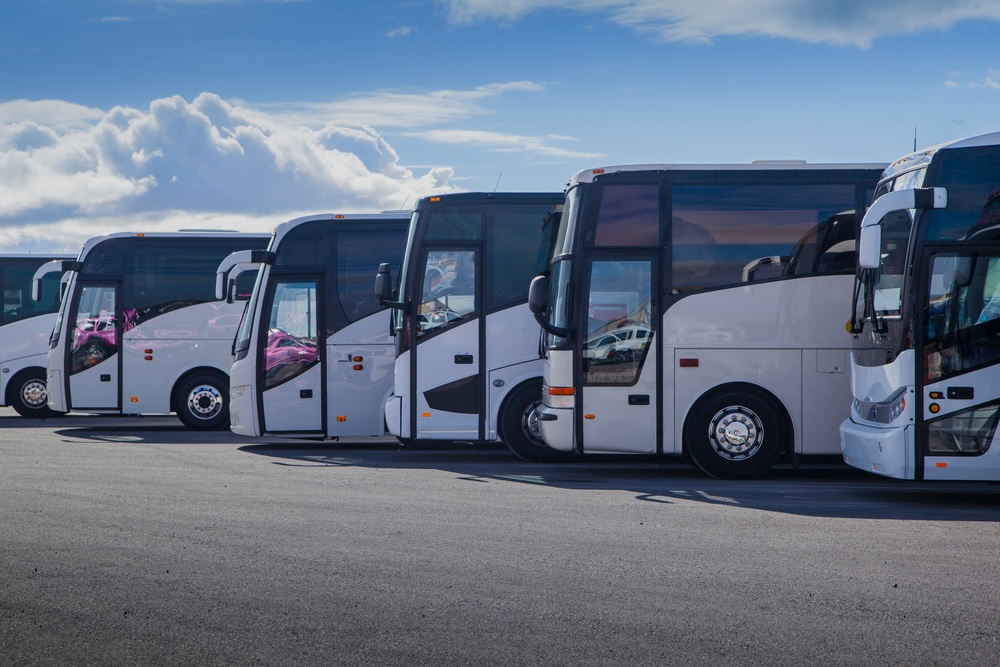
Benefits of Bus Wash Water Recycling System
For bus washing businesses that want to remain competitive and environmentally responsible, a water recycling system is often a smart long term solution. Here are some of the top benefits of investing in a wash water recycling system.
Lower Water Consumption
One of the most immediate advantages of a bus wash water recycling system is the reduction in overall water use. Bus washing operations require consistent water flow to remove dirt, road residue, and debris from large vehicle surfaces. Without recycling, fresh water must be used for every wash cycle.
A recycling system captures used wash water and processes it to remove solids, oils, and contaminants. Once treated, the water can be reused again in the washing process. This significantly reduces dependence on municipal water sources. Over time, the reduction in water consumption can be substantial, helping facilities operate more efficiently while conserving an important natural resource.
Reduced Wastewater and Sewer Costs
Every gallon of water that leaves a washing facility often carries an additional cost through wastewater disposal and sewer fees. When wash water goes directly down the drain, those costs continue to increase alongside water usage.
By recycling water within the system, facilities can dramatically reduce the amount of wastewater that enters the sewer system. Less discharge means lower treatment and disposal expenses. Instead of paying to remove water after every wash, businesses keep the water circulating within their operations. This improves cost control and helps protect facilities from rising sewer charges over time.
Reliable Daily Operations
Transportation facilities often run on tight schedules. Buses need to be cleaned quickly so they can return to service. Any disruption in water supply or washing capability can slow operations and create delays.
Water recycling systems help maintain consistent washing capacity. Because treated water is stored and reused, facilities have a dependable supply available even during periods of heavy demand. This stability helps washing operations run smoothly day after day. Staff can focus on cleaning vehicles efficiently without worrying about water shortages or restrictions that could interrupt service.
Environmental Responsibility
Public transportation companies are increasingly expected to demonstrate environmental responsibility. Water recycling supports these goals by reducing waste and conserving resources. Instead of allowing contaminated wash water to flow directly into drains or surrounding areas, the system captures and treats it in a controlled process.
Many recycling systems separate solids, oils, and debris while stabilizing the water for reuse. This reduces environmental impact while improving overall water management. For organizations that prioritize sustainability or must meet environmental regulations, water recycling systems play an important role in responsible facility operations.
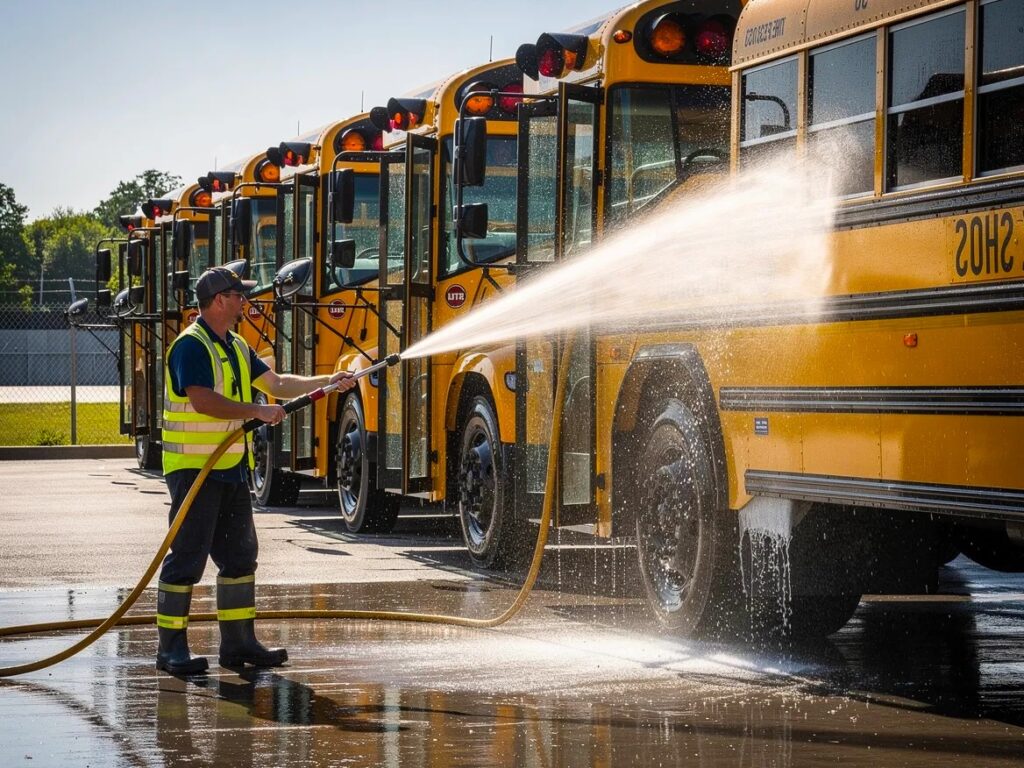
Find a Bus Wash Water Recycling System Near You
If your business washes buses regularly, investing in a wash water recycling system can deliver long term benefits. Lower water consumption, reduced wastewater discharge, and more efficient operations all contribute to a stronger and more sustainable business operation.
Freylit USA has been providing advanced wash water recycling technology for more than 40 years. Our systems are designed for demanding vehicle washing environments and are installed in thousands of locations around the world. Freylit systems operate automatically, require minimal maintenance, and can function as closed loop solutions where water is continuously treated and reused within the system.
Freylit also avoids the use of corrosive ozone, chlorine, and harsh chemicals in its odor control technology. This helps maintain stable water quality while protecting equipment and the surrounding environment. With reliable performance and proven engineering, Freylit systems support consistent washing operations for large vehicles like buses.
If you are searching for a dependable bus wash water recycling system, Freylit USA can help you find the right solution for your facility. Their experienced team can guide you through the options and help you build a system that supports both efficiency and environmental responsibility.